অধ্যাপক ডাঃ মোঃ গোলাম রব্বানী
উপদেষ্টা বিশেষজ্ঞ চিকিৎসক
এমবিবিএস, এফসিপিএস (সাইকী) এক্স ডাইরেক্টর, ন্যাশনাল ইনস্টিটিউট অফ মেন্টাল হেলথ্
Find your path to recovery at Bangladesh’s first drug addiction treatment center (since 1988). Medical detox, psychiatric care, counselling and lasting support for you and your family – 24 hours a day.

90,000+ Patients detoxified
Medically supervised detox that safely clears drugs from the body while managing withdrawal symptoms.
ExploreRecovery is lifelong. Our follow-up programme supports patients as they return to normal life.
ExploreOutpatient consultations and inpatient care in a secure 100-bed center with cabins and wards.
ExploreTalking therapy with psychiatrists and psychologists to understand moods, thoughts and behaviour.
ExplorePractical guidance for patients and families on recognising addiction and supporting recovery.
ExploreDaily afternoon group sessions on addiction, mental health, relationships and relapse.
ExploreAdvice and counselling about addiction by phone – any hour, any day.
ExplorePsychiatric care for depression, anxiety, schizophrenia, bipolar disorder and other mental health problems – outpatient and inpatient.
Explore
38+ Years of healing
Mukti opened on 27 February 1988 in a small rented house in Eskaton, Dhaka, founded by a young doctor, Dr. Ali Asker Quoreshi. It was the first drug addiction treatment center in Bangladesh, and today it is a 100-bed center on New Elephant Road that leads the country in prevention, treatment and rehabilitation.
We treat both drug addiction and mental illness. Every patient gets a personal plan that considers their substance use, mental health, lifestyle and family – because recovery looks different for everyone.
237/2 New Elephant Road, Dhaka 1205, Bangladesh
Open 24 hours, 7 days a week
Talk to our counsellors any time for advice about addiction, treatment and admission.
Book a consultation with our psychiatrists and addiction specialists.
Our trained team and 24-hour ambulance help bring critical patients in safely.

Learn how each substance affects the body and mind – and how our specialists treat it in Dhaka.
Our psychiatrists and addiction specialists support you every step of the way, with expert care and personalised guidance.
View All Doctorsউপদেষ্টা বিশেষজ্ঞ চিকিৎসক
এমবিবিএস, এফসিপিএস (সাইকী) এক্স ডাইরেক্টর, ন্যাশনাল ইনস্টিটিউট অফ মেন্টাল হেলথ্

এডিকশন সাইকিয়াট্রিস্ট, চীফ কনসালট্যান্ট
এমবিবিএস (ঢাকা), পিজিটি (আমেরিকা) এমএসসি ইন এডিকশন (লন্ডন)
মনোরোগ ও মাদকাসক্ত বিশেষজ্ঞ
এমবিবিএস; এমফিল (সাইকিয়াট্রি) সাবেক পরিচালক (এসি) ও অধ্যাপক, এনআইএমএইচ, ঢাকা ফেলো, বিশ্ব স্বাস্থ্য সংস্থা (ভারত, থাইল্যান্ড) এফআরএসএইচ (লন্ডন)
যৌন ও চর্ম রোগ বিশেষজ্ঞ
এমবিবিএস (ঢাকা), ডিডিভি (ডি, ইউ)
“Science has shown that a substance use disorder is not a moral failing but a disease of the brain that can be prevented and treated. Since 1988, Mukti has worked to make treatment affordable and acceptable to everyone, without compromising on quality.”
Interviews with our founder and reports on our work in national media.
All VideosUnderstanding addiction is the first step towards treating it.

Addiction is a chronic, relapsing disease affecting the brain’s reward, motivation, and related systems. People struggling with addiction are unable to control their actions or make rational decisions about their behaviour, even in the face of negative consequences.
Many people are addicted to substances that are considered drugs. Drugs include things like opiates (heroin, painkillers), benzodiazepines (Clonazepam), alcohol, nicotine (cigarettes), and caffeine (yes, you can even be addicted to your morning coffee).
People enjoy the thrill they get from gambling and the risk that comes with it. Like shopping, gambling is a type of impulse control disorder. Those who are addicted to gambling often become obsessed with the thought of winning back the money they’ve lost, and so they continue to gamble.
People who are addicted to sex are addicted to the feelings they get from physical intimacy, including the high that they feel during and after orgasm. Sex addiction can lead to STDs, unwanted pregnancy, relationship problems, and low self-esteem.
People who are addicted to food tend to overeat or eat in binges, and they’re unable to control their eating. People who are addicted to food are often overweight or obese, or they suffer from addictive eating disorders like anorexia, bulimia, or extreme calorie counting.
Some people are addicted to emotional intimacy, which is a love addiction. They seek the high that comes from being in love. They immediately jump into relationships and fall into what they think is love very quickly.
As mentioned, there are many types of addictions, and almost anything can become an addiction. Here’s a list of some of the other more common types of addictions.
Addiction is defined as a chronic, relapsing brain disease that is characterized by compulsive substance seeking and use, despite harmful consequences. It is considered a brain disease because drugs change the brain; they change its structure and how it works. These brain changes can be long lasting and can lead to much harmful, often self-destructive, behaviour.
Nearly all addictive substances directly or indirectly target the brain’s reward system by flooding the circuit with dopamine. Dopamine is a neurotransmitter present in regions of the brain that regulate movement, emotion, cognition, motivation, and feelings of pleasure. The overstimulation of this system, which rewards our natural behaviours, produces the euphoric effects sought by people who use substances and teaches them to repeat the behaviour.
Yes. Addiction is a treatable, chronic disease that can be managed successfully. Research shows that combining behavioural therapy with medications, where available, is the best way to ensure success for most patients. Treatment approaches must be tailored to address each patient’s drug use patterns and substance-related medical, psychiatric, and social problems.
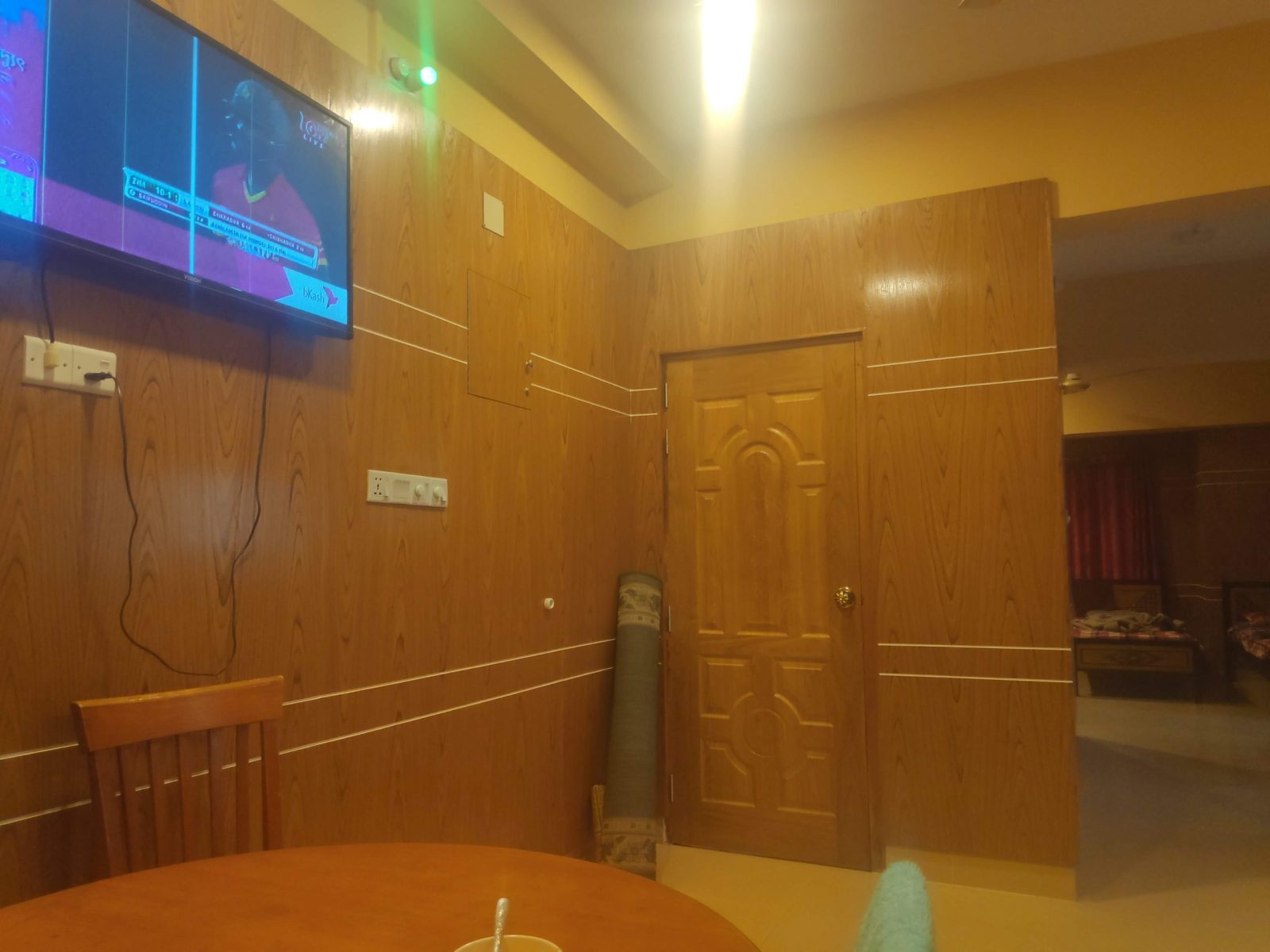
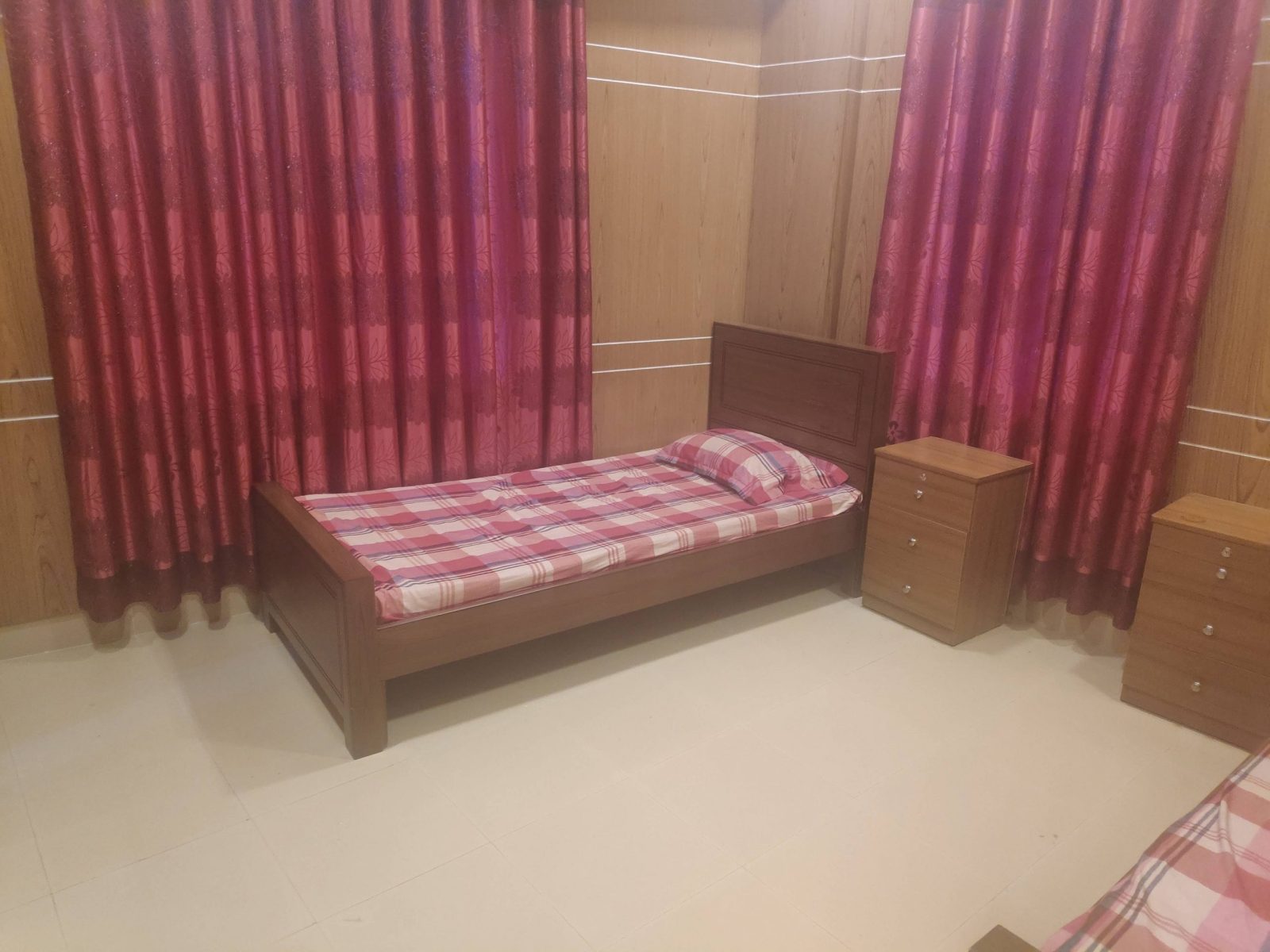
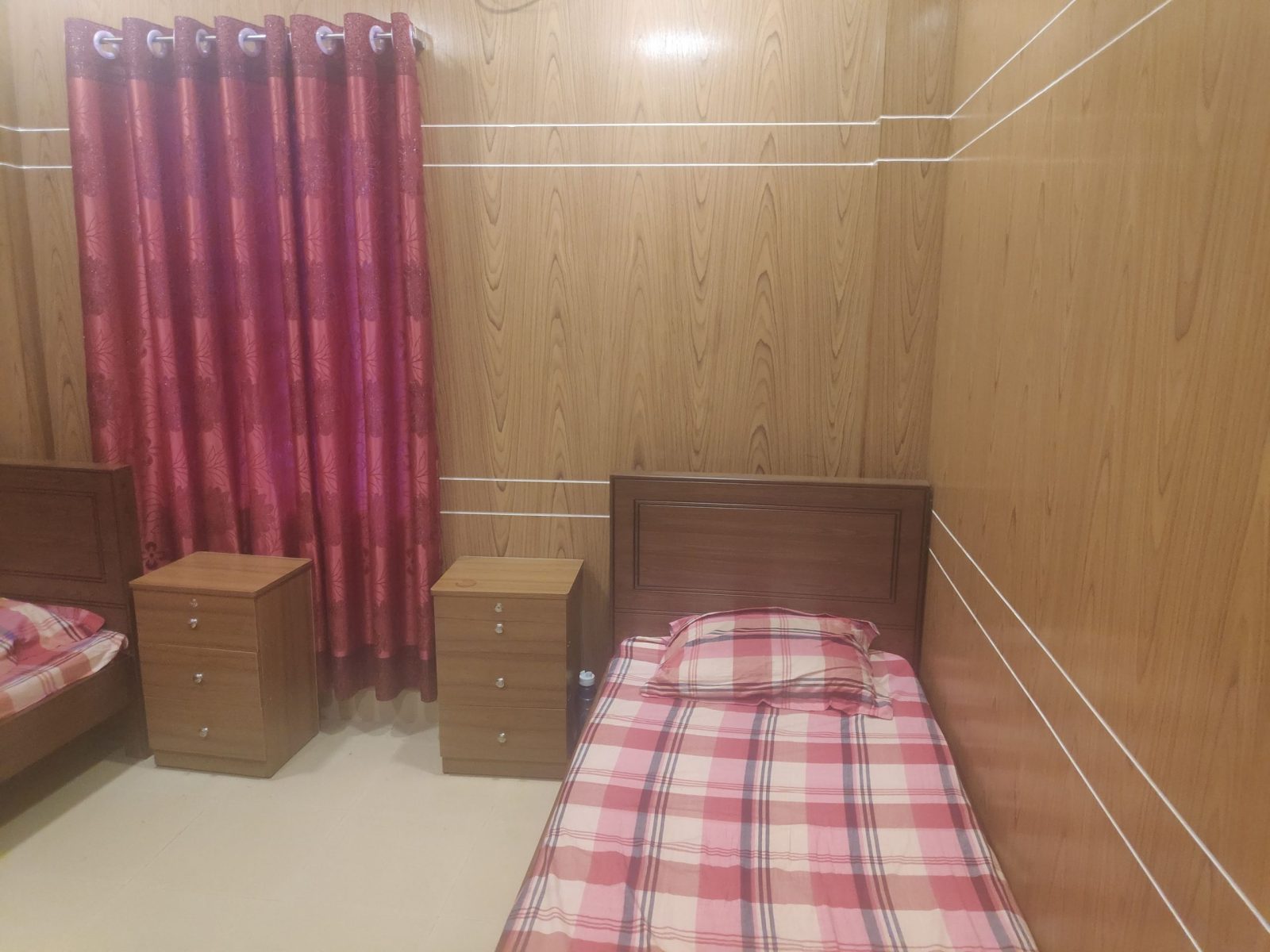
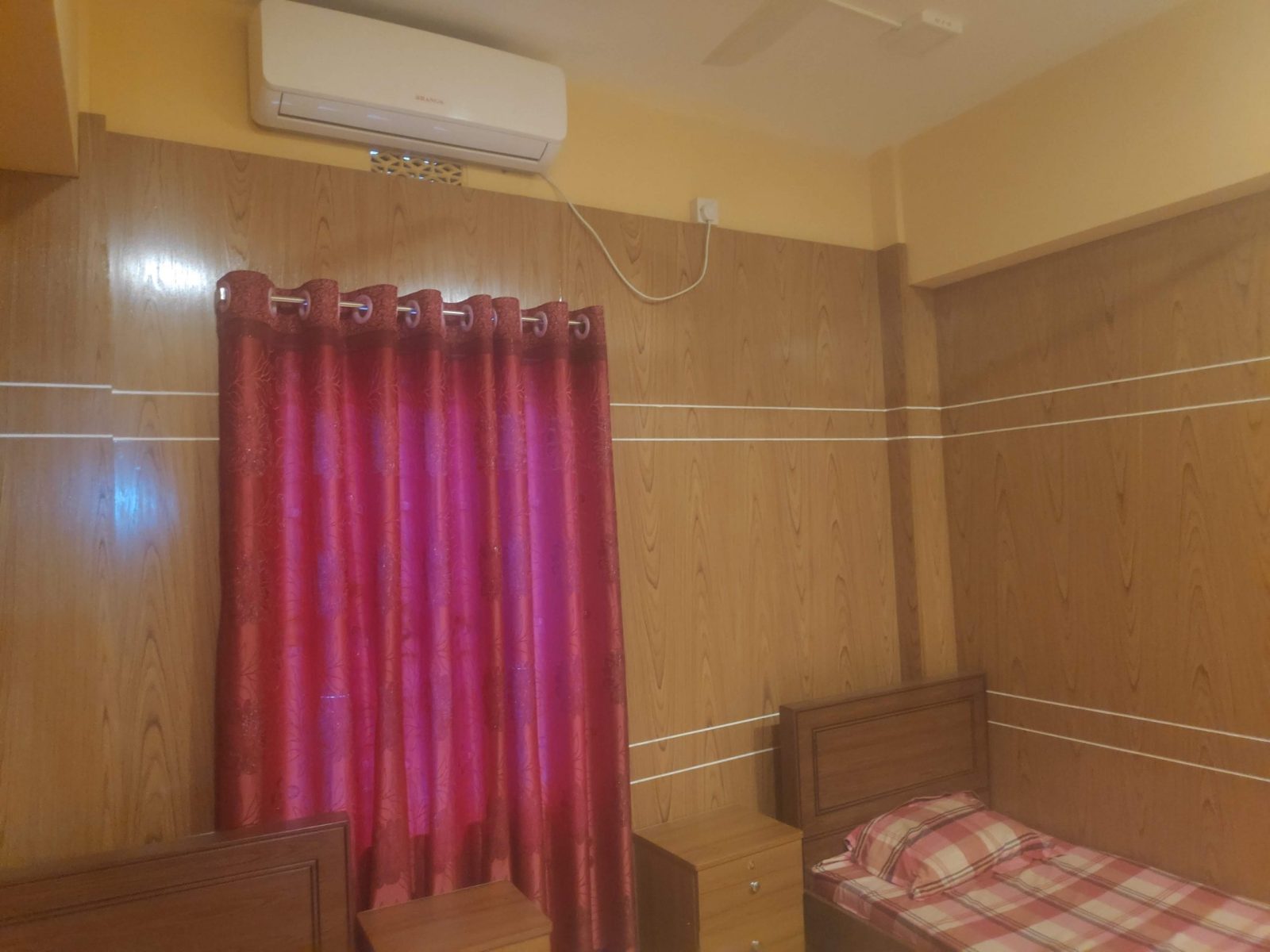
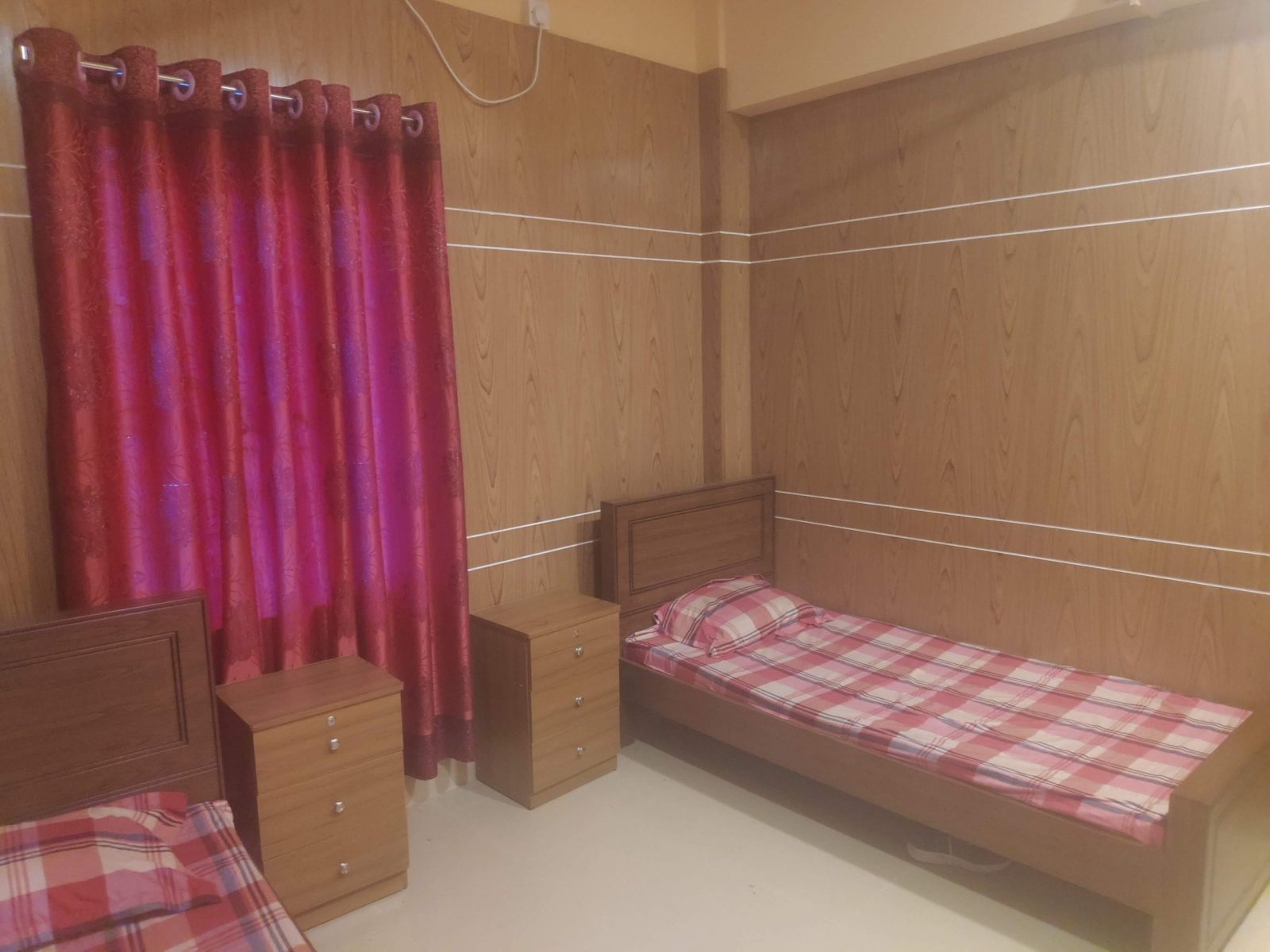
Wards, AC cabins, therapy and recreation spaces – secure and cared for around the clock.
Photo Gallery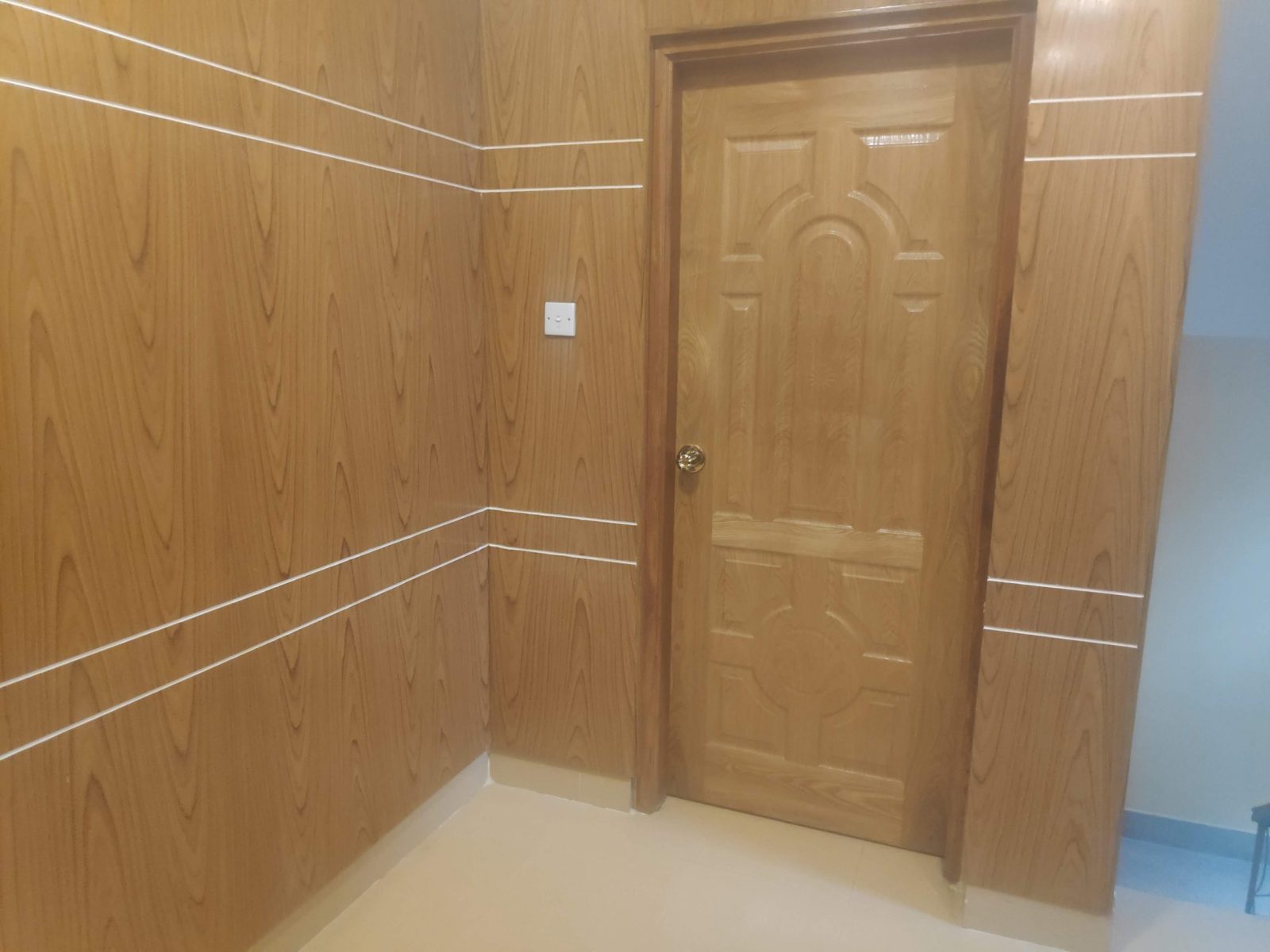
Expert advice and practical guides on addiction, mental health and recovery.
View All Articlesপরিবারের কাউকে রিহ্যাব সেন্টারে ভর্তি করানোর সিদ্ধান্ত নেওয়া সহজ নয়। কোথায় যাবেন, কীভাবে ভর্তি করাবেন, খরচ…
Explore Nowসন্তান, স্বামী বা পরিবারের অন্য কেউ মাদক নিচ্ছে কিনা – এই সন্দেহ অনেক পরিবারকে দুশ্চিন্তায় ফেলে। শুরুতে মাদকা…
Explore NowSmartphones, social media and online games are part of everyday life. But for some people – especially teenage…
Explore NowWorking alongside global and national agencies